简体中文
 English
 اللغة العربية
 Español


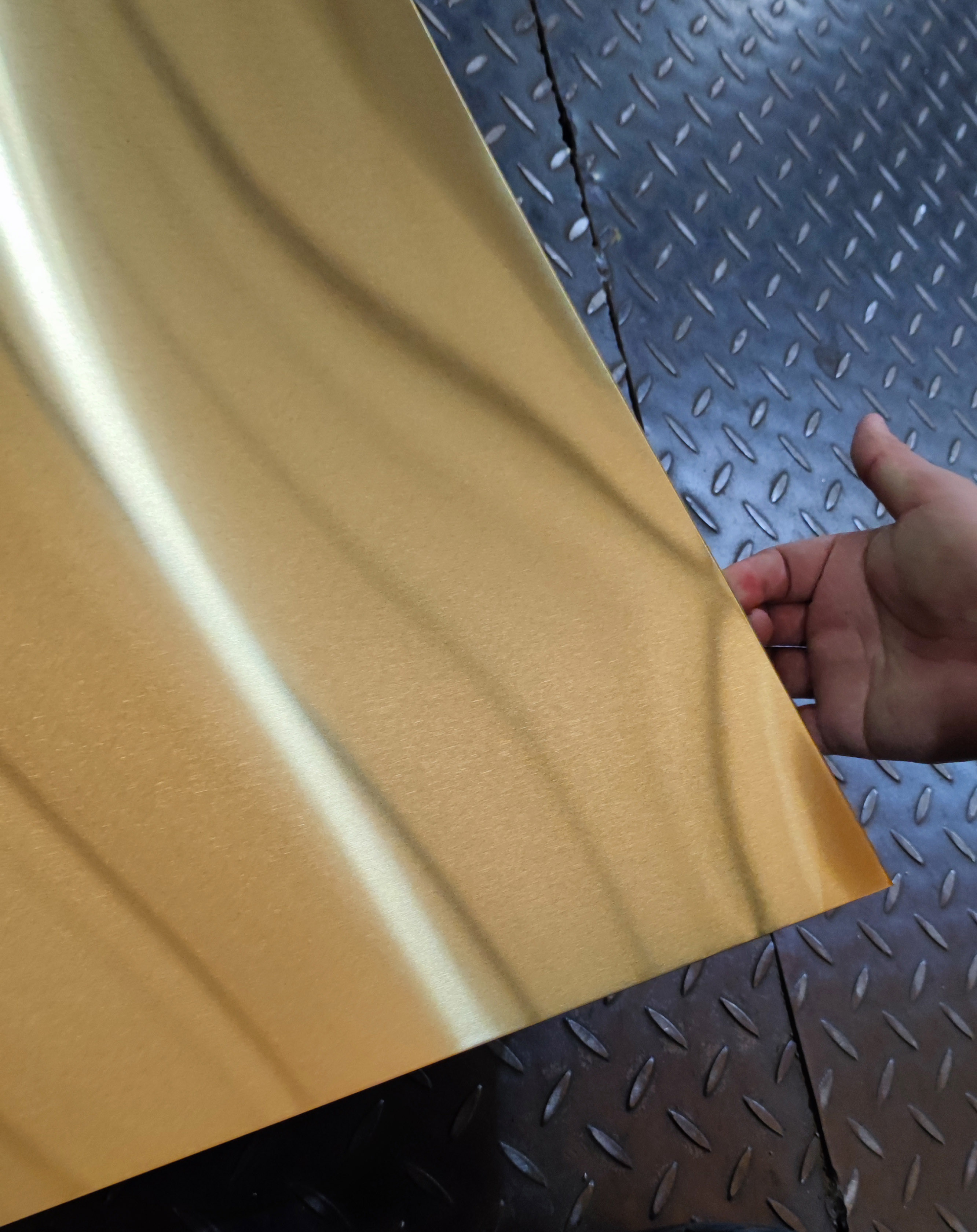
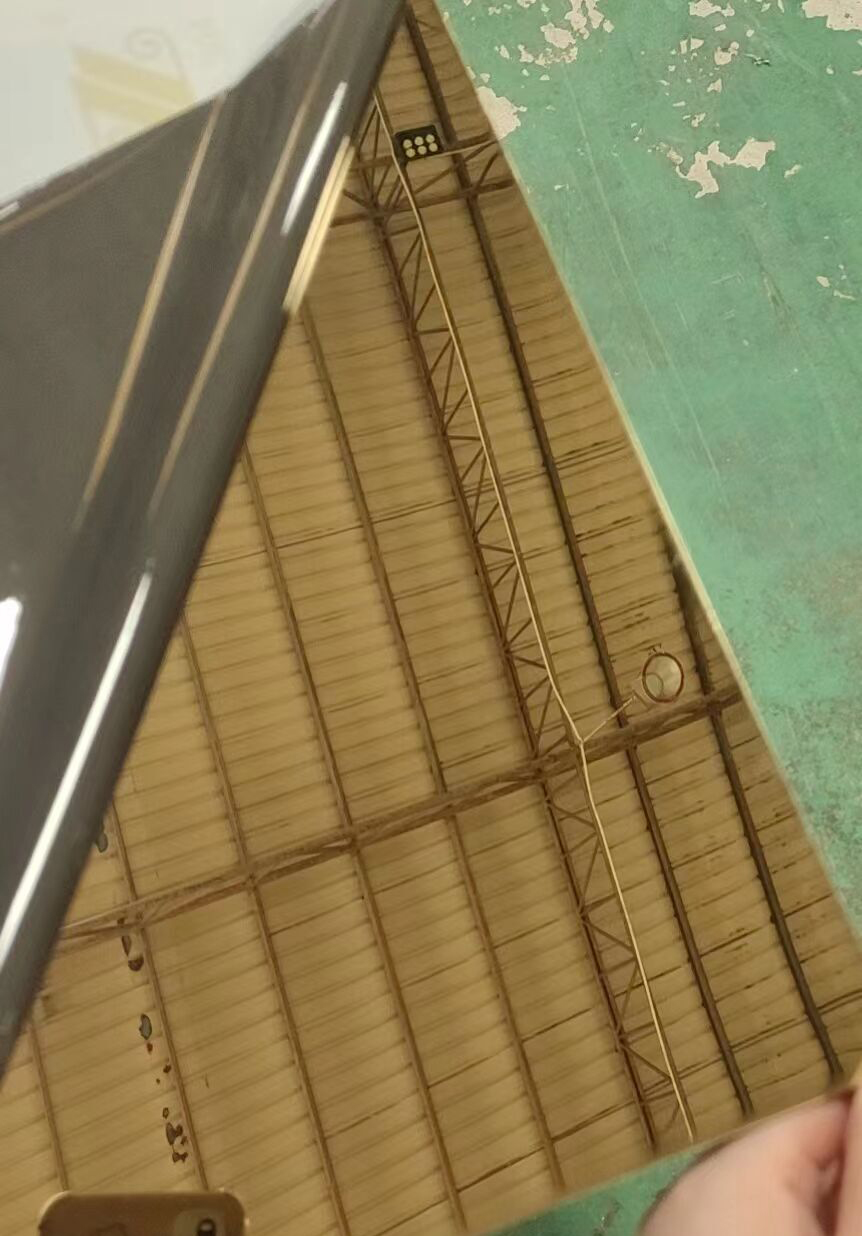
8K Mirror Stainless Steel ((R_a le 0.05 mutext{m})): Achieved through multi-stage mechanical polishing, a true 8K mirror finish eliminates microscopic peaks and valleys. Because the surface is virtually glass-smooth, airborne chlorides, sulfur compounds, and moisture cannot easily anchor to the metal. Consequently, mirror-polished stainless steel outperforms brushed finishes in weatherability and pitting resistance.
Brushed / Hairline Stainless Steel ((R_a 0.2 - 0.8 mutext{m})): Mechanical abrasion creates millions of parallel micro-grooves. While these striations diffuse light into a warm satin sheen, they also act as microscopic reservoirs for salt spray, acid rain, dust, and skin oils. If left unwashed, trapped chlorides concentrate inside the grooves, penetrating the chromium-oxide passive layer and triggering localized rust.
Architectural Rule of Thumb: For exterior facades in coastal zones (within 5 km of saltwater) or heavy industrial areas, brushed finishes must be specified in Grade 316L. If project budgets restrict material selection to Grade 304, opt for a Mirror finish or an ultra-fine hairline finish paired with an exterior-grade protective coating.
| Application & Environment | Recommended Grade | Optimal Surface Finish | Value-Added Protection | Expected Service Life (Low Maintenance) |
|---|---|---|---|---|
| Inland Landmark Facades & Canopies | 304 / 316 | 8K Mirror / Fine Hairline (HL) | PVDF Clear Coat or Exterior PVD | 15 – 25 Years |
| Coastal Facades & Marine Sculptures | 316L (Mandatory) | 8K Mirror (Preferred) / HL | Electropolishing | 20 – 30 Years |
| 5-Star Hotel Lobbies & Elevator Cabs | 304 | Hairline / 8K Mirror / Vibration | Anti-Fingerprint (AFP) Nano-Coating | 15+ Years |
| Indoor Pools, Spas & Luxury Washrooms | 316L | Hairline / 8K Mirror | Chloride-Resistant PVD Coating | 15 – 20 Years |
Never Use Chloride-Based Cleaners: Bleach, sodium hypochlorite, muriatic acid, and standard tile/grout cleaners are lethal to stainless steel. Chlorides instantaneously strip the passive film, causing irreversible pitting.
Never Use Steel Wool or Carbon-Steel Scrapers: Microscopic iron particles embedded into the stainless surface will oxidize upon contact with moisture, triggering galvanic cross-contamination rust across the entire panel.
Never Clean Under Direct Hot Sunlight: High surface temperatures cause cleaning solutions to flash-evaporate, leaving concentrated chemical streaks and water spots that bake onto the finish.
General Dust & Light Grime: Wipe using a clean microfiber cloth dampened with warm water and a pH-neutral detergent (pH 6.5–7.5, such as mild dish soap). Always rinse thoroughly with clean water and dry immediately with a dry microfiber towel to prevent mineral spotting.
Directional Wiping for Brushed Panels: Always wipe strictly parallel to the grain lines. Circular wiping motions create cross-grain micro-scratches that ruin visual uniformity under architectural lighting.
Streak-Free Care for 8K Mirror Panels: Mirror finishes highlight every water spot and smudge. After washing, lightly mist with Isopropyl Alcohol (IPA) or a dedicated non-silicone stainless steel polish, buffing dry for crystal-clear reflectivity.
Construction Mortar & Paint Splatter: Never dry-scrape. Soak the residue thoroughly with warm water to soften it, gently lift it using a plastic or softwood spatula, and wash with neutral detergent.
Early "Tea Staining" or Light Rust Spots: Do not use sandpaper. Apply a non-abrasive citric or phosphoric acid-based stainless steel cleaner, gently working with the grain using a soft cloth to dissolve free iron and re-passivate the surface, followed by a thorough fresh-water rinse.

Q1: Why did exterior 304 brushed stainless steel develop brownish "tea stains" within six months?
A: Known in architectural engineering as "Tea Staining," this superficial discoloration occurs when airborne salts and pollutants accumulate inside brushed grain lines—especially in sheltered areas (like soffits) that do not get washed naturally by rain. It does not compromise structural integrity and can be removed with a specialized passivating cleaner, followed by quarterly fresh-water washdowns.Q2: Can standard Anti-Fingerprint (AFP) coatings be used outdoors?
A: No. Standard interior AFP coatings (typically acrylic or silicone-based) will yellow, chalk, or delaminate within 12–24 months under direct UV exposure. For exterior anti-graffiti or anti-stain protection, you must specify a UV-stable fluoropolymer (PVDF) nano-coating.Q3: When should protective PE/PVC films be removed during installation?
A: Protective transit films should be peeled off immediately upon final installation—and never left exposed to direct outdoor sunlight for more than 90 days. UV radiation degrades the adhesive, causing cross-linking that leaves stubborn glue residue on the steel. If residue occurs, soften it with Isopropyl Alcohol (IPA) or a citrus-based adhesive remover; never use harsh ketones or paint thinners.
-
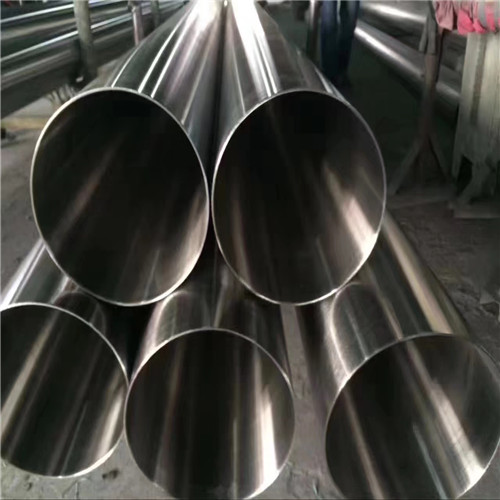
[Company news] High quality supply of stainless steel pipe for ho......
2022-04-10
After years of development and innovation, the stainless steel pipe for household decoration has evolved from a single "slot body" to a "system" produ......
-

[Company news] Warmly celebrate the official launch of the fsunsc......
2005-07-19
Foshan Sunsco Technology Co.Ltd is located in Foshan City of China, focusing on stainless steel area for more than 12 years. With the support of the m......
-
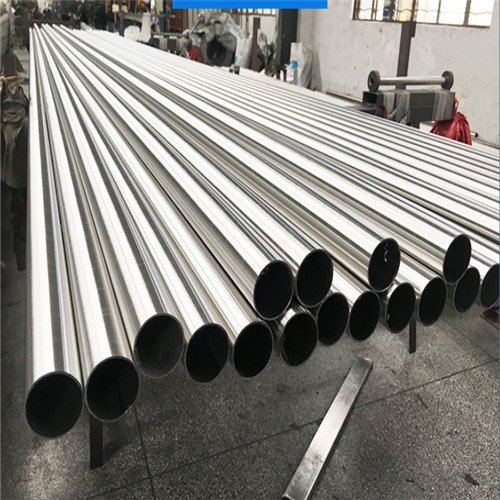
[Industry dynamics] 304 stainless steel pipe market improves
2021-12-20
FSUNSCO Company operates a series of 304 stainless steel tubes all the year round. Stainless steel pipe, 304 stainless steel plate, 304 stainless stee......
-
[Industry dynamics] What can help us to quickly distinguish between 30......
2020-06-20
Many friends will worry when choosing stainless steel, this is because he can not distinguish between 304 and 201 stainless steel, how to quickly dist......