简体中文
 English
 اللغة العربية
 Español



The Cladding Layer (1.5mm – 6mm): Made of 304L, 316L, Duplex 2205, or even titanium and nickel alloys. It faces the process media directly, providing an identical corrosion and wear barrier to solid alloy plates.
The Backing Layer (6mm – 150mm+): Made of high-strength carbon steel or low-alloy pressure vessel steel (such as ASTM A516 Gr.70 or Q345R). It absorbs the vast majority of mechanical stress and structural load.
Key Technical Benchmark: High-grade stainless steel clad plates consistently achieve an interface shear strength exceeding 210 MPa—well above the 140 MPa minimum mandated by ASTM A264 and ASME SA264 standards. This ensures zero delamination during heavy cold rolling, dished-head pressing, or post-weld heat treatment (PWHT).
| Cost & Performance Metric | Option A: Solid 316L Plate (24mm) | Option B: 316L (3mm) + A516 Gr.70 (21mm) Clad Plate | Financial & Engineering Impact |
|---|---|---|---|
| High-Alloy Consumption | 100 Tons of solid 316L | Only 12.5 Tons of 316L + 87.5 Tons of Carbon Steel | Reduces expensive alloy usage by 87.5% |
| Raw Material Unit Price | Very High (Highly exposed to nickel surcharges) | 35% – 40% lower blended ton price | Immediate, substantial CAPEX reduction |
| Thermal Conductivity | Low (Austenitic steel conducts heat poorly) | Carbon steel backing conducts heat 3x faster | Enables smaller heat-transfer surface areas |
| Total Project Cost | Baseline (100%) | ~68% – 72% | Net project savings of 28% – 32% |
Superior Heat Transfer Efficiency: In shell-and-tube heat exchangers and evaporators, the high thermal conductivity of the carbon steel backing significantly accelerates heat transfer rates, allowing engineers to downsize equipment dimensions and save even more material.
Resistance to Chloride Stress Corrosion Cracking (SCC): Solid austenitic stainless steels are notoriously vulnerable to chloride-induced SCC. In a clad structure, the ferritic carbon steel backing acts as a crack-arrester, preventing micro-cracks in the cladding from propagating through the vessel wall.
Oil Refining & Petrochemicals: Atmospheric/vacuum distillation towers, hydrotreating reactors, desulfurization columns, and large-scale crude storage tanks.
Power Generation & FGD Systems: Flue gas desulfurization absorber towers and chimney liners (frequently using 316L or Alloy C276 clad plates instead of solid superalloys).
Desalination & Marine Engineering: Multi-Stage Flash (MSF) evaporator shells, brine heaters, and offshore splash-zone structural protection.
Salt Production, Pulp & Paper, and Hydrometallurgy: Vacuum salt crystallizers, pulp digesters, and high-pressure acid leach (HPAL) autoclaves.


Q1: Is welding clad plate significantly more expensive than welding solid stainless steel?
A: Clad plate requires a multi-step "strip-back and transition welding" procedure. Fabricators weld the carbon steel backing first, apply an over-alloyed buffer layer (such as E309L) to prevent carbon dilution, and finish with the corrosion-resistant cap pass. While linear weld hours increase slightly, this fabrication premium typically consumes less than 5% of the total raw material cost savings.Q2: Should our project specify Explosive Cladding or Hot Roll Bonding?
A: Hot-rolled clad plates offer wider sheet dimensions, tighter thickness tolerances, and smoother surface finishes, making them ideal for large-volume storage tanks and medium-thickness vessels. Explosive clad plates excel at bonding incompatible metals (such as Titanium-to-Steel or Hastelloy-to-Steel) and handling ultra-thick heavy plates for extreme high-pressure reactors.Q3: What is the single most important inspection document to verify before shipment?
A: Beyond standard Mill Test Reports (MTRs) for chemical and mechanical properties, 100% Ultrasonic Testing (UT) is non-negotiable. Ensure your supplier tests to ASTM A578 standards (typically Level B or Level S1, requiring a minimum 98% bond integrity) to guarantee there are no unbonded zones that could blister during forming or thermal cycling.
-
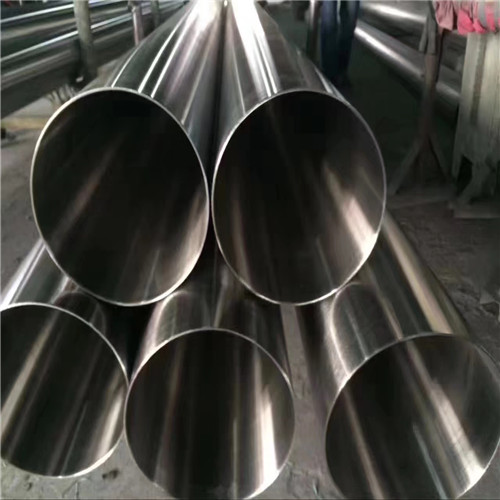
[Company news] High quality supply of stainless steel pipe for ho......
2022-04-10
After years of development and innovation, the stainless steel pipe for household decoration has evolved from a single "slot body" to a "system" produ......
-

[Company news] Warmly celebrate the official launch of the fsunsc......
2005-07-19
Foshan Sunsco Technology Co.Ltd is located in Foshan City of China, focusing on stainless steel area for more than 12 years. With the support of the m......
-
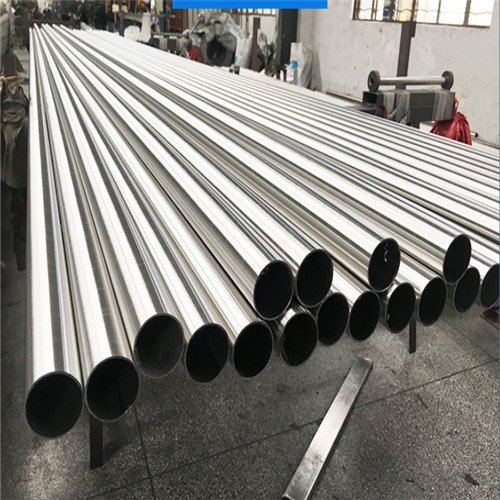
[Industry dynamics] 304 stainless steel pipe market improves
2021-12-20
FSUNSCO Company operates a series of 304 stainless steel tubes all the year round. Stainless steel pipe, 304 stainless steel plate, 304 stainless stee......
-
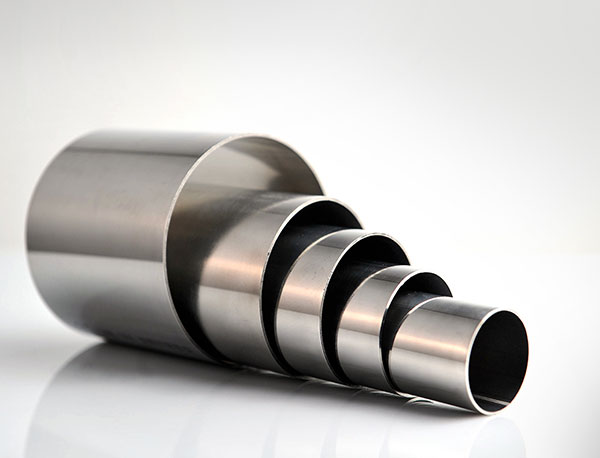
[Industry dynamics] What can help us to quickly distinguish between 30......
2020-06-20
Many friends will worry when choosing stainless steel, this is because he can not distinguish between 304 and 201 stainless steel, how to quickly dist......