简体中文
 English
 اللغة العربية
 Español


Precise Condition Matching vs. Over-Specification: In environments with moderate operating pressures or low corrosive parameters, blindly specifying super duplex stainless steels (e.g., S32750) or high-nickel alloys generates unnecessary waste. Substituting 304/304L for 316/316L, or utilizing Lean Duplex (e.g., S32101) in medium-chloride environments, can reduce raw material acquisition costs by 15% to 30% while maintaining safety margins.
The Operating Expense (OPEX) Matrix: According to LCC models, premium-grade stainless steel pipes—such as those undergoing Bright Annealing (BA) or Electropolishing (EP)—command a higher initial premium. However, their superior pitting resistance and anti-fouling characteristics drastically compress downstream operating costs, cleaning cycles, and component swap outs, delivering the lowest total cost of ownership (TCO) over the project lifecycle.
Executing Just-In-Time (JIT) Assembly: Integrating digital Electronic Data Interchange (EDI) systems with core mills or Tier-1 stockists enables accurate, real-time lead-time forecasting. Syncing delivery dates directly with project construction milestones allows pipe shipments to bypass intermediate storage hubs and move "from the production line straight to the job site," shrinking inventory carrying charges by over 20%.
Fixed-Length Procurement & Kitting: Incorporating custom, fixed-length specifications (such as exact 6-meter yields or drawing-specific cuts) into supply agreements shifts high-tolerance cutting and beveling upstream to the manufacturer. While the nominal per-meter cost may slightly rise, it eliminates material nesting waste at the project site (dropping scrap rates from an industry average of 5%–8% down to near 0%) and dramatically lowers onsite field-labor overhead.
Strategic Forward Pricing Mechanisms: For multi-year, mega-scale infrastructure projects, procurement teams should secure strategic framework agreements (such as forward price-locking or Vendor-Managed Inventory) with upstream mills. Locking in base steel conversion rates when nickel values are historically depressed insulates corporate budgets from macroeconomic commodity volatility.
Consolidated Procurement and VMI Hubs: Aggregating purchase orders across multiple corporate subsidiaries or scattered infrastructure projects maximizes volume-based bargaining leverage. Introducing a Vendor-Managed Inventory (VMI) model—where suppliers maintain a dedicated stock buffer near the production facility or project perimeter—allows companies to utilize pay-as-you-use billing, significantly accelerating capital turnover.
Deploying Automated Orbital Welding: In high-purity sanitary loops or high-pressure piping networks, manual stick or TIG welding exhibits excessive vulnerability to welder fatigue, leading to defects like lack of penetration or porosity. Shifting to automated orbital TIG systems pushes first-time-passed weld inspections (RT/PT) to over 98%, sharply reducing labor hours and material consumption associated with weld repairs.
CAD/CAM Nesting Optimization: Fabricators utilizing advanced 3D CAD/CAM nesting software can optimize material utilization schedules prior to releasing cut sheets to the shop floor. This maximizes the linear efficiency of every stainless steel length, systematically minimizing drop ends and off-cut waste.
-
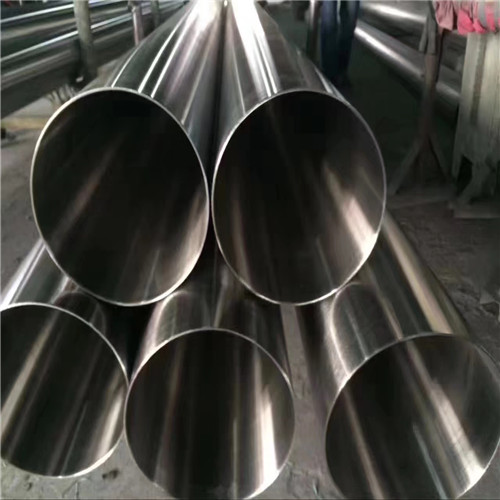
[Company news] High quality supply of stainless steel pipe for ho......
2022-04-10
After years of development and innovation, the stainless steel pipe for household decoration has evolved from a single "slot body" to a "system" produ......
-

[Company news] Warmly celebrate the official launch of the fsunsc......
2005-07-19
Foshan Sunsco Technology Co.Ltd is located in Foshan City of China, focusing on stainless steel area for more than 12 years. With the support of the m......
-
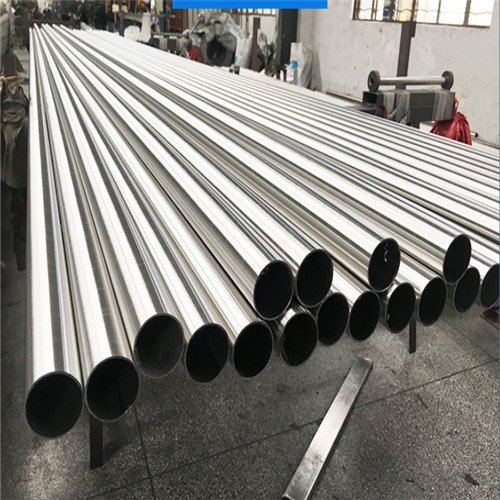
[Industry dynamics] 304 stainless steel pipe market improves
2021-12-20
FSUNSCO Company operates a series of 304 stainless steel tubes all the year round. Stainless steel pipe, 304 stainless steel plate, 304 stainless stee......
-
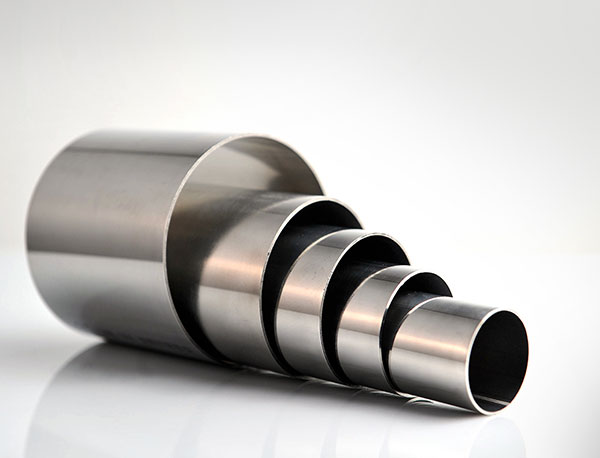
[Industry dynamics] What can help us to quickly distinguish between 30......
2020-06-20
Many friends will worry when choosing stainless steel, this is because he can not distinguish between 304 and 201 stainless steel, how to quickly dist......