简体中文
 English
 اللغة العربية
 Español


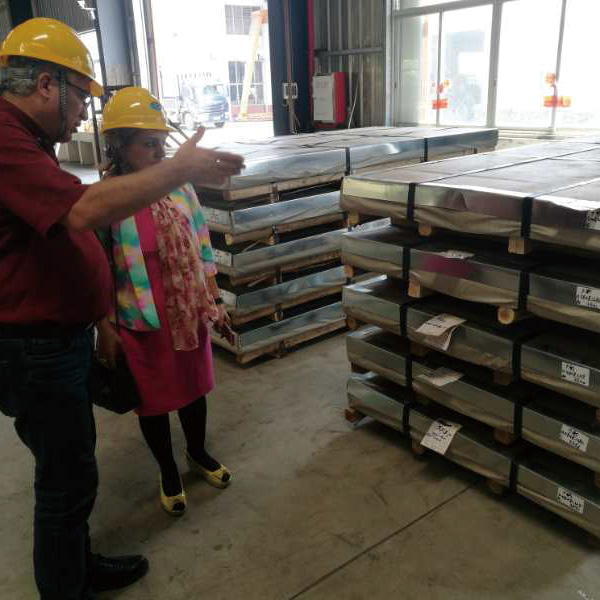
Elemental Verification: We verify exact percentages of Chromium (Cr), Nickel (Ni), Molybdenum (Mo), Carbon (C), and Manganese (Mn).
Zero Grade Mix-Up Policy: We strictly differentiate between standard and low-carbon/molybdenum-bearing grades—such as 304 vs. 304L and 316 vs. 316L (verifying Mo ≥ 2.0%)—ensuring your material delivers guaranteed corrosion resistance and weldability in demanding environments.
Thickness Consistency: We measure both the sheet edges (at least 20mm inward from the mill edge) and the center crown to verify strict compliance with ASTM A480 precision tolerances or your custom "zero-minus / positive tolerance" contract terms.
Length & Width Accuracy: We verify cut-to-length dimensions to ensure cutting allowances remain strictly within agreed limits.
Diagonal Squareness: We measure both corner-to-corner diagonals on sampled sheets, holding variance within ≤ 1.0 mm so your sheets align accurately on CNC laser beds and press brakes without re-shearing.
Surface Plate & Feeler Gauge Flatness Test: Sample sheets are placed unrestrained onto a certified cast-iron inspection table. Using a feeler gauge, we verify that edge wave, center buckle, and coil set stay within ≤ 1.0 mm/m, ensuring stress-free performance during fiber laser cutting.
High-Intensity Light & Surface Roughness ((R_{a})) Check: Under standardized industrial inspection lighting, we examine 2B, BA, Brushed (Hairline), and 8K Mirror finishes for roll marks, pitting, orange peel, or handling scratches. For decorative sheets, we verify (R_{a}) roughness values and inspect the protective PE/PVC laser film for proper adhesion, thickness, and bubble-free application.
EN 10204 3.1 Mill Test Certificate: Clearly documents the producing mill, Heat Number, actual ladle/product chemical analysis, yield strength, tensile strength, elongation, and hardness (HRB/HV).
Stencil-to-Tag Cross-Verification: Inspectors verify that the inkjet stencil marking on the reverse side of the steel sheets, the waterproof outer pallet tags, and the Heat Numbers listed on the 3.1 MTC match 100%.
| Packaging Layer | Material & Engineering Standard | Primary Transit Protection |
|---|---|---|
| Inner Vapor Barrier | High-density VCI anti-corrosion paper + heavy-duty waterproof polyethylene wrap + industrial desiccants | Blocks humid salt air and prevents inter-sheet condensation stains |
| Edge & Corner Armor | Rigid galvanized steel edge protectors and high-impact plastic corner guards | Prevents steel strapping from indenting sheet edges and absorbs forklift/crane impact |
| Fumigated Wooden Skid | Heavy-duty solid wood pallets certified to ISPM 15 standards (with official IPPC stamp) | Ensures smooth customs clearance in the US, EU, Australia, and global ports |
| High-Tensile Strapping | Cross-woven high-tensile blued steel strapping (minimum 4–6 straps per skid) | Locks the bundle into a rigid unit, preventing sheet shifting during rough seas |
Empty Container Audit: Before loading begins, we inspect the container interior to ensure it is bone-dry, odor-free, oil-free, and completely free of pinholes or light leaks.
Balanced Weight Distribution & Rigging: Heavy skids are positioned low and balanced evenly across the container axles. All gaps between pallets and container walls are secured using anti-slip rubber mats, inflatable dunnage bags, and solid timber chocking and bracing to prevent load shifting during vessel pitch and roll.
Live Photo & Video Proof: We capture high-resolution photos and videos at every milestone—empty container, half-loaded bracing details, fully loaded deck, and high-security bolt seal number—and send them to your team immediately upon door closure.
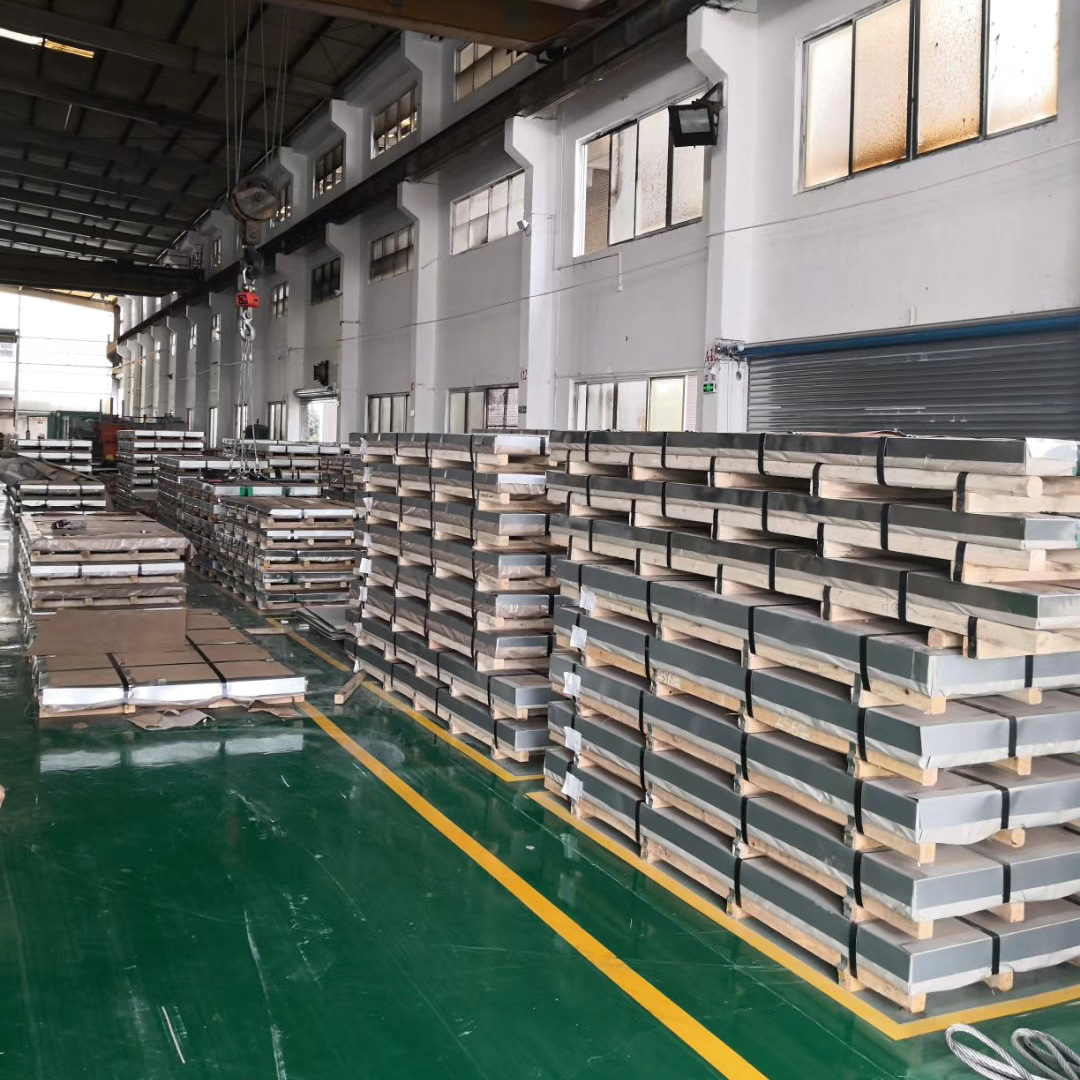
Q1: Can we appoint a Third-Party Inspection (TPI) agency such as SGS, Bureau Veritas (BV), TÜV, or Intertek to inspect our order before loading?
A: Absolutely. We welcome buyer-appointed TPI inspectors at our facility prior to container stuffing. Our QC team will provide full access to calibrated inspection tables, XRF spectrometers, and bundle unwrapping assistance to complete their witness inspection.Q2: Are there special loading precautions for 8K Mirror stainless steel sheets with protective PVC film?
A: Yes. Mirror finishes with protective films are sensitive to localized pressure and extreme heat. During container loading, we never double-stack heavy cargo on top of 8K mirror skids, and we maintain air-circulation spacing around the pallets so high container temperatures do not cause adhesive transfer onto the mirror surface.
-
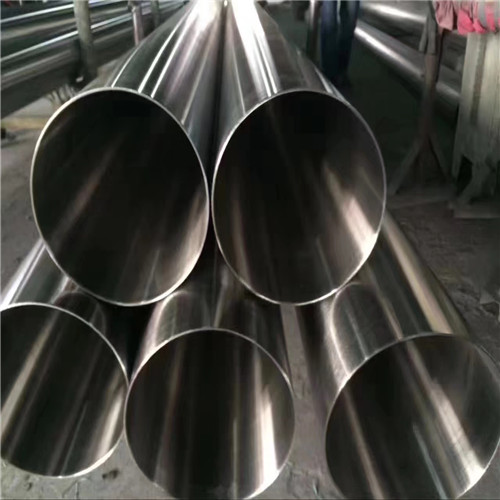
[Company news] High quality supply of stainless steel pipe for ho......
2022-04-10
After years of development and innovation, the stainless steel pipe for household decoration has evolved from a single "slot body" to a "system" produ......
-

[Company news] Warmly celebrate the official launch of the fsunsc......
2005-07-19
Foshan Sunsco Technology Co.Ltd is located in Foshan City of China, focusing on stainless steel area for more than 12 years. With the support of the m......
-
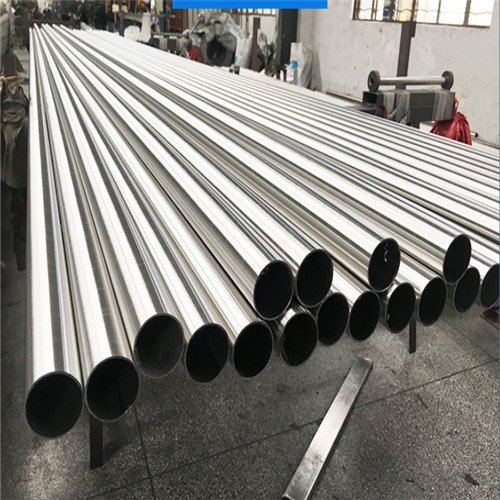
[Industry dynamics] 304 stainless steel pipe market improves
2021-12-20
FSUNSCO Company operates a series of 304 stainless steel tubes all the year round. Stainless steel pipe, 304 stainless steel plate, 304 stainless stee......
-
[Industry dynamics] What can help us to quickly distinguish between 30......
2020-06-20
Many friends will worry when choosing stainless steel, this is because he can not distinguish between 304 and 201 stainless steel, how to quickly dist......