简体中文
 English
 اللغة العربية
 Español


Engineering Requirements: In these high-chloride, chemically aggressive environments, standard 304 or 316L sheets run a severe risk of localized pitting and crevice corrosion. Modern chemical processing infrastructure has largely pivoted toward high-molybdenum austenitic grades (e.g., 317L, 904L) or ultra-low carbon Duplex Stainless Steel plates (e.g., S32205, S32750).
Operational Moats: Heavy-gauge duplex plates undergo optimized hot-rolling and solution-annealing to deliver an exceptional Pitting Resistance Equivalent Number (PREn). Crucially, the yield strength of duplex alloys is double that of conventional austenitics. This allows mechanical engineers to reduce wall thicknesses on pressure vessels, cutting total structural weight and foundation load requirements while optimizing project capital expenditures (CAPEX).
Engineering Requirements: Storage tanks for pharmaceutical fermentation loops and semiconductor Central Chemical Supply Systems (CCSS) require flawless internal topologies. Materials must strictly align with ASME BPE or SEMI standards, mandating high-end mechanical finishes like No.8/8K mirror polish or custom Electropolishing (EP).
Operational Moats: Subjecting ultra-low carbon 316L sheets to electropolishing compresses the internal surface roughness (Ra) to below 0.2 μm. This process eliminates microscopic pits and crevices where bacteria or chemical residuals could lodge. Furthermore, electropolishing selectively strips away free surface iron, leaving an ultra-passive film with an elevated Chromium-to-Iron (Cr/Fe) ratio that halts ionic leaching.
Engineering Requirements: To mitigate light pollution (specular glare) while maximizing long-term atmospheric weathering resistance, architects utilize structured mechanical finishes. These include Vibration, Hairline, Sandblasted, and electrochemically color-anodized stainless steel finishes.
Operational Moats: For coastal configurations or highly urbanized zones, specifying 316L or molybdenum-modified ferritic steel (like 445M2) guarantees near-zero lifecycle maintenance costs. The high tensile strength of thin-gauge stainless steel sheets permits large-span panel configurations with supreme wind-load resistance. Moreover, because they eliminate the need for toxic volatile organic compound (VOC) anti-corrosion paints, they fulfill strict circular-economy and low-carbon design metrics.
Engineering Requirements: Proton Exchange Membrane Fuel Cells (PEMFC) rely on metallic bipolar plates, representing the absolute limits of cold-rolling gauge tolerances. Fabricators deploy precision ultra-thin stainless steel strips ranging from 0.07 mm to 0.1 mm in thickness, stamping microscopic channels into the steel matrix to distribute hydrogen, oxygen, and coolant fluids.
Operational Moats: To maintain high interfacial conductivity and survive the warm, acidic interior (pH 2–3) of a working fuel cell, customized 316L base metals are coated with nano-scale carbon-based or precious-metal layers post-stamping. The superior material elongation and ductility of these precision sheets enable them to endure high-speed, micron-tolerance stamping without structural tearing, serving as the catalyst for the commercial scale-up of hydrogen drivetrains.
-
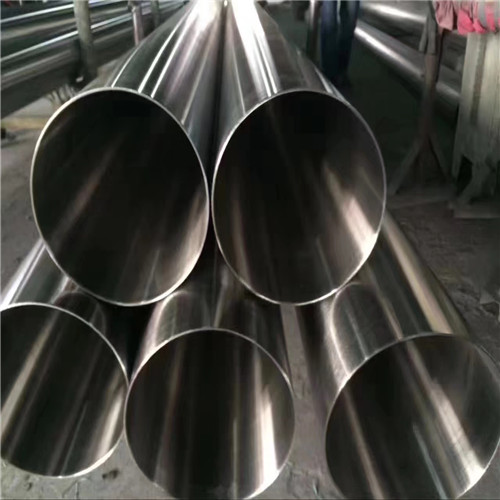
[Company news] High quality supply of stainless steel pipe for ho......
2022-04-10
After years of development and innovation, the stainless steel pipe for household decoration has evolved from a single "slot body" to a "system" produ......
-

[Company news] Warmly celebrate the official launch of the fsunsc......
2005-07-19
Foshan Sunsco Technology Co.Ltd is located in Foshan City of China, focusing on stainless steel area for more than 12 years. With the support of the m......
-
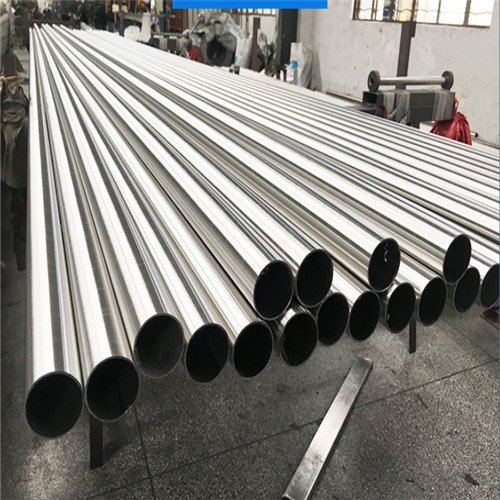
[Industry dynamics] 304 stainless steel pipe market improves
2021-12-20
FSUNSCO Company operates a series of 304 stainless steel tubes all the year round. Stainless steel pipe, 304 stainless steel plate, 304 stainless stee......
-
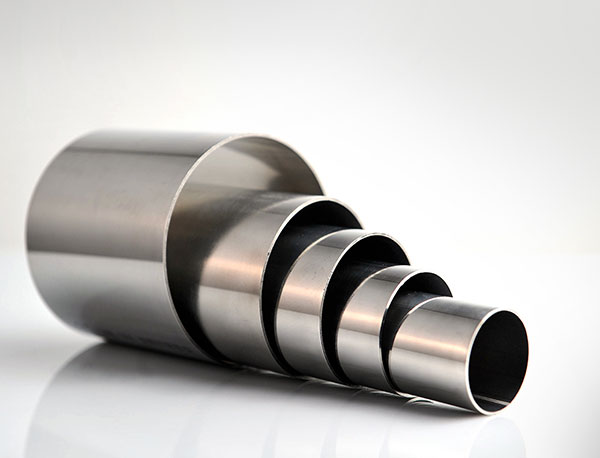
[Industry dynamics] What can help us to quickly distinguish between 30......
2020-06-20
Many friends will worry when choosing stainless steel, this is because he can not distinguish between 304 and 201 stainless steel, how to quickly dist......