简体中文
 English
 اللغة العربية
 Español


Mastering Timeless Interiors: The Art & Science of Distressed Antique Decorative Panels
In an era dominated by sleek minimalism and sterile mass production, modern architecture is witnessing a powerful shift back toward character, organic texture, and historical narrative. Enter distressed antique decorative panels—the ultimate design solution bridging vintage warmth with modern spatial craftsmanship.
Whether you are transforming a cozy residential feature wall or orchestrating a high-end commercial hospitality space, antiqued wall panels offer a visual depth that flat paint or standard wallpaper simply cannot replicate.
Here is everything you need to know about integrating distressed decorative boards into contemporary interior design, from material authenticity to technical selection.
1. The Anatomy of Authenticity: What Makes a Distressed Panel Look Real?
Not all vintage-style panels are created equal. The distinction between a cheap replica and an authentic architectural-grade panel lies in the multi-layered finishing process.
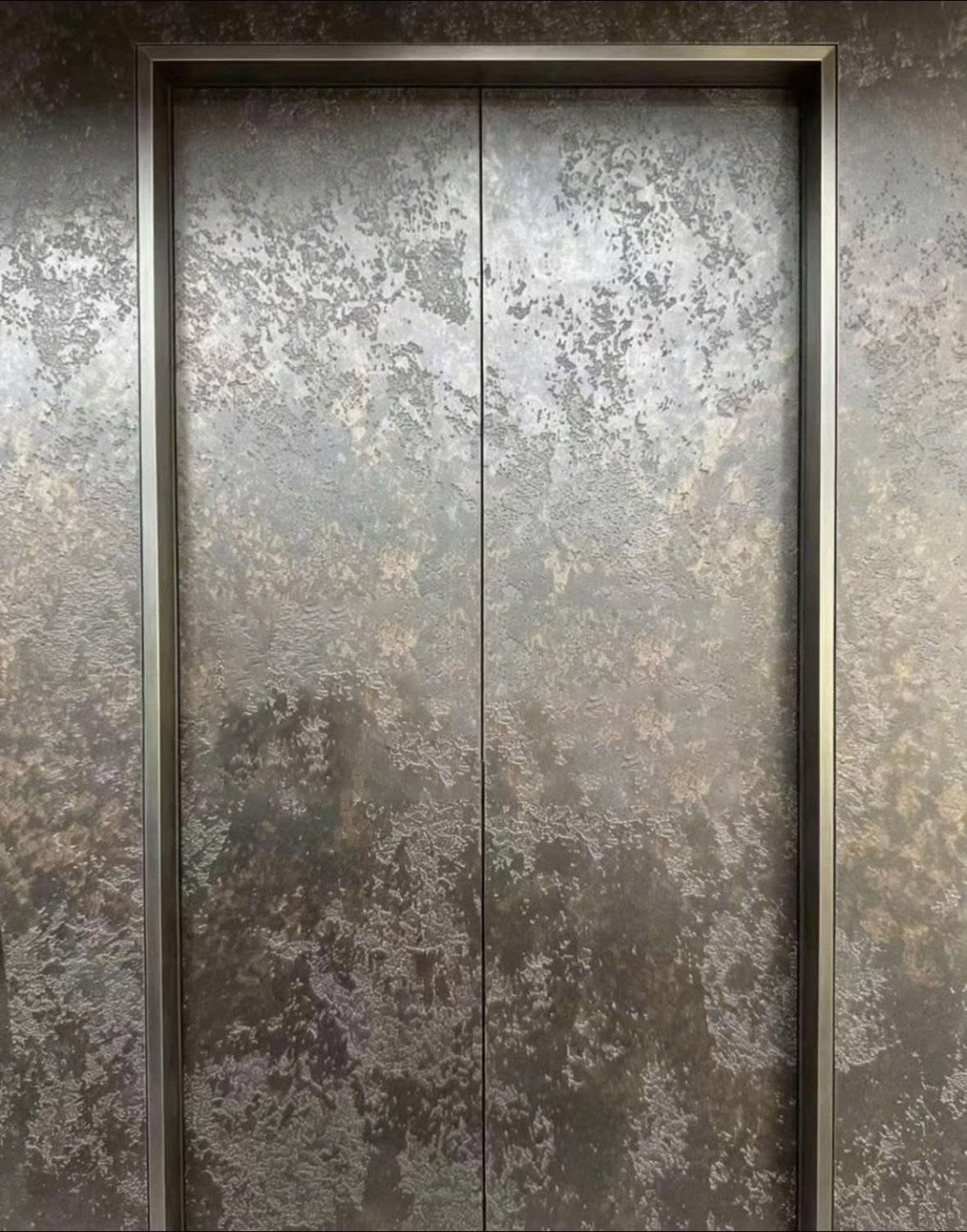
True antiqued decorative boards do not rely solely on printed surface graphics. Instead, they incorporate multi-sensory techniques that replicate decades of natural exposure and weathering:
Subtle Hand-Distressing: Wire-brushing, chatter marks, hand-planed edges, and intentional nail-hole details simulate natural historic wear.
Layered Patina & Staining: Rather than a single flat coat of paint, high-quality panels use multi-tonal washes. Light penetrates the deeper grain structure while darker pigments settle into grooves, highlighting natural contrast.
Tactile Grain Texture: The tactile surface directly mimics aged timber, soft-burned wood, or weathered plaster, capturing natural light and creating organic shadows across the wall throughout the day.
2. Bridging Architectural Styles: From Rustic Farmhouse to Japandi & Wabi-Sabi
While distressed panels are a natural fit for rustic or industrial interiors, top interior designers are increasingly using them in contrasting, modern environments.
| Interior Design Style | | How Distressed Antique Panels Elevate the Space |
| Modern Farmhouse | Adds warmth, structure, and grounding contrast to bright white interiors and linen textiles. |
| Industrial Loft | Pairs seamlessly with raw concrete, exposed steel, and vintage leather furnishings. |
| Japandi & Wabi-Sabi | Embraces the beauty of imperfection ("imperfection as perfection") through aged, organic textures. |
| Contemporary Luxury | Acts as a bold accent backdrop in high-ceiling dining rooms, wine cellars, or hotel lobbies. |
3. Material Selection: Engineered Wood, Solid Timber, or Composite?
When selecting rustic wall paneling, performance is just as critical as aesthetics. Depending on your project requirements, choose the base material that fits your environmental conditions:
A. Solid & Reclaimed Wood Core
Best for: Ultimate authenticity and eco-conscious luxury.
Characteristics: Sourced from historic barns or sustainably harvested timber; each board carries a unique historical fingerprint.
Consideration: Requires acclimation prior to installation to prevent natural expansion/contraction in humid environments.
B. Engineered Wood (MDF/HDF Core)
Best for: Dimensional stability and large-scale commercial coverage.
Characteristics: Highly resistant to warping and temperature changes while featuring a real-wood distressed veneer on the surface.
Consideration: Ideal for precision tongue-and-groove installations.
C. Lightweight High-Density Polyurethane (PU) / Composite
Best for: Moisture-heavy environments (bathrooms, outdoor covered patios, basements).
Characteristics: Completely waterproof, rot-proof, and significantly lighter for effortless ceiling or wall application.
4. Pro Tips for Design Impact: Lighting & Accent Integration
To maximize the visual depth of your distressed feature wall, technical lighting is paramount:
Graze the Surface with Warm Light: Position ceiling recessed spotlights or track lighting close to the wall (12–18 inches away). Wall-grazing light accentuates every ridge, knot, and weathered groove.
Contrast with Metallic Accents: Combine distressed wood or oxidized-style panels with brushed brass, antique bronze, or matte black hardware to balance rustic texture with refined elegance.
Frame Your Focal Point: Use antiqued paneling strategically on a single accent wall behind a bed headboard, reception desk, or TV unit rather than wrapping every wall in a room to prevent visual overload.
5. Maintenance: Preserving Your Vintage Aesthetics Effortlessly
One of the greatest benefits of engineered antique panels over real un-sealed barnwood is low maintenance. High-quality sealed panels do not trap dust inside unsealed splinters.
Routine Cleaning: Dust lightly with a dry microfiber cloth or soft vacuum brush attachment.
Spot Cleaning: Wipe minor smudges with a damp cloth and mild soap. Avoid harsh chemical cleaners that may strip the protective matte topcoat.
Longevity: Quality low-VOC finishes ensure the rich patina and color balance remain stable under indoor ambient light.
Redefine Your Space with Authentic Character
Walls are more than structural boundaries—they are the canvas of your interior story. By choosing high-quality distressed antique decorative panels, you introduce history, craftsmanship, and tactile warmth into any modern environment.
-
[Company news] High quality supply of stainless steel pipe for ho......
2022-04-10
After years of development and innovation, the stainless steel pipe for household decoration has evolved from a single "slot body" to a "system" produ......
-

[Company news] Warmly celebrate the official launch of the fsunsc......
2005-07-19
Foshan Sunsco Technology Co.Ltd is located in Foshan City of China, focusing on stainless steel area for more than 12 years. With the support of the m......
-
[Industry dynamics] 304 stainless steel pipe market improves
2021-12-20
FSUNSCO Company operates a series of 304 stainless steel tubes all the year round. Stainless steel pipe, 304 stainless steel plate, 304 stainless stee......
-
[Industry dynamics] What can help us to quickly distinguish between 30......
2020-06-20
Many friends will worry when choosing stainless steel, this is because he can not distinguish between 304 and 201 stainless steel, how to quickly dist......